




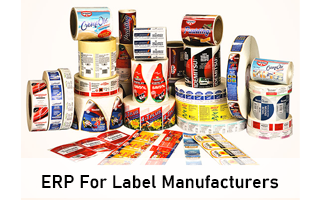








ERP for Marriage Sweet Box and Marriage Invitation Cards – ERP Strategy that works

Customised “Sweet box” for Marriage Events versus Repeat Business in Packaging


Smart ERP Strategy for Packaging: Detail Where It Matters, Simplicity Where It Pays
In the packaging industry,
Systems and processes are not optional—they are the backbone of profitability, control, and scalability.
At Finsys, we strongly believe that ERP should bring discipline, visibility, and efficiency to operations.
However, equally important is understanding where not to over-engineer processes.
A one-size-fits-all ERP approach does not work in a dynamic business like packaging. The key lies in applying the right level of system control based on the nature of the job.

Packaging Is a Process-Driven Business
In most packaging segments—especially for repeat products—ERP plays a critical role. From order booking to production planning, raw material consumption, job tracking, wastage control, and costing—every step benefits from structured data.
When jobs are repetitive, ERP enables:
-
Accurate cost tracking and margin analysis
-
Standardization of BOMs and routing
-
Efficient production planning (PPC)
-
Inventory optimization
-
Reduction in manual errors
In such cases, detailed ERP implementation is not just useful—it is essential. It ensures that management decisions are data-driven and operations remain under control.

The Reality of Short-Run, Non-Repetitive Jobs
However, not all packaging jobs follow this pattern.
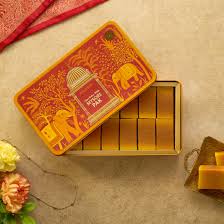
Products like wedding invitation cards and marriage sweet boxes fall into a completely different category :
-
These are short-run jobs, often in small quantities
-
Each job is highly customized—names, dates, designs, and specifications change every time
-
There is no repetition—the same product is almost never produced again
This fundamentally changes the cost-benefit equation of ERP usage.


When ERP Becomes Overhead
For such non-repetitive jobs, creating detailed masters, BOMs, routing, and job cards can become counterproductive.
The time and effort involved in :
-
Creating item codes
-
Defining BOMs
-
Preparing job cards
-
Recording production details
often exceed the actual benefit derived from the data.
In simple terms:
The cost of data entry becomes higher than the value of that data.
This leads to inefficiency, user frustration, and resistance to ERP adoption.
A Practical and Profitable Approach
At Finsys, we recommend a balanced and practical ERP strategy:
For Repetitive Jobs
Use ERP in full detail:
-
Complete BOM and routing
-
PPC planning
-
Job cards and production tracking
-
Costing and variance analysis
This ensures control, consistency, and profitability.


For Short-Run Custom Jobs (Wedding Cards & Sweet Boxes)
Keep ERP usage minimal and focused:
-
Create only a Sales Order
-
Use a simple description such as “As per annexure”
-
Attach design/specifications externally if required
-
Generate Sales Invoice directly
Avoid:
-
Detailed item masters
-
BOM creation
-
PPC processes
-
Job card generation

Why This Hybrid Approach Works
This approach aligns ERP effort with business value.
It ensures that:
-
Your team spends time where it matters most
-
ERP remains user-friendly and practical
-
Operational speed is maintained
-
Costs are controlled—not increased

Most importantly, it prevents ERP from becoming a burden in areas where flexibility and speed are more important than structured data.
Our Clear Position
We follow a very transparent approach with our customers:
-
If you agree with this practical ERP strategy, we implement it effectively and ensure smooth operations
-
If you prefer to maintain full ERP control even for short-run, non-repetitive jobs, we respect that choice—but it may not be the most efficient approach
Our goal is not just software implementation—but business optimization.

Conclusion: ERP Should Serve the Business, Not Burden It
A successful ERP system is not defined by how much data it captures, but by how effectively it supports business decisions and operations.

In packaging, the distinction is clear:
-
Repetitive jobs need detailed ERP control
-
Custom, short-run jobs need speed and simplicity
By adopting this balanced approach, businesses can achieve the best of both worlds—structured efficiency where required, and operational agility where needed.

Finsys ERP Team at your Service
Link : Contact us page